
1. Payment of the application fee in Canadian dollars:
Payments can be made:
When paying the application fee, please indicate which degree program the payment is for.
2. An online application link will be sent to you directly from the STU Registrar once confirmation of your application fee payment has been received.
3. Completed applications are reviewed by the faculty.
4. An official letter of decision on the applications will be sent via email from the Dean of Studies.
Application Questions?
Please email Colleen Walker, our Registrar:
Colleen.Walker@saskatoontheologicalunion.ca
General questions about our programs (excluding Doctor of Ministry)?
Please email Rev. Dr. Kayko Driedger Hesslein, our Dean of Studies:
kayko.driedgerhesslein@saskatoontheologicalunion.ca
Questions about our Doctor of Ministry program?
Please email Colleen Walker our registrar:
colleen.walker@saskatoontheologicalunion.ca
OR,
Registrar, Lutheran Theological Seminary
1121 College Drive
Saskatoon, SK S7N 0W3 CANADA
As disciples of Christ committed to public leadership among God’s people in diverse and challenging cultural contexts, we eagerly learn from and welcome one another’s diversity, including, but not limited to, theological perspective, race, ethnicity, nationality, gender identity, relationship status, age, physical ability, social and economic status and sexual orientation.
As disciples of Christ committed to public leadership among God’s people in diverse and challenging cultural contexts, we eagerly learn from and welcome one another’s diversity, including, but not limited to, theological perspective, race, ethnicity, nationality, gender identity, relationship status, age, physical ability, social and economic status and sexual orientation.
We welcome people from both Lutheran and non-Lutheran traditions. LTS is an inclusive community and offers hospitality to all who participate in our programs of study. As disciples of Christ committed to public leadership among God’s people in diverse and challenging cultural contexts, we eagerly learn from and welcome one another’s diversity, including, but not limited to, theological perspective, race, ethnicity, nationality, gender identity, relationship status, age, physical ability, social and economic status and sexual orientation.
The Indigenous and Intercultural Relations course seeks to build an understanding of Canada’s Indigenous peoples’ worldviews, history, and culture. Onsite classes, workshops, and visits to local Indigenous sites teach about wakohtowin, the relationships understood by Indigenous people regarding humans, land, and spirituality. Students learn about experiences in Canada’s Indian Residential Schools. They learn about colonialism, treaty and the inherent rights of Indigenous peoples. (THIS IS THE WRONG TEXT)
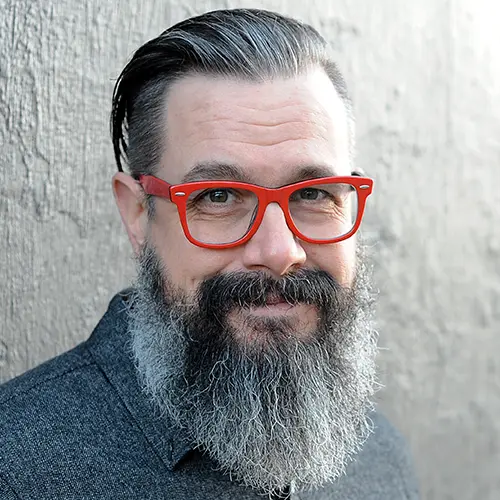
The Indigenous and Intercultural Relations course seeks to build an understanding of Canada’s Indigenous peoples’ worldviews, history, and culture. Onsite classes, workshops, and visits to local Indigenous sites teach about wakohtowin, the relationships understood by Indigenous people regarding humans, land, and spirituality. Students learn about experiences in Canada’s Indian Residential Schools. They learn about colonialism, treaty and the inherent rights of Indigenous peoples. (THIS IS THE WRONG TEXT)

Our school is situated on the University of Saskatchewan Campus in Saskatoon. We recognize that we are on Treaty 6 Territory, on the traditional gathering land of 31 indigenous peoples and the Homeland of the Metis.